Good design isn’t always about major overhauls. Sometimes, a few simple design changes can have the biggest impact on how people engage with your brand and messaging.
Here are three simple adjustments that can instantly improve the effectiveness of your design work.
1. Use Colour With Purpose
Colour is more than decoration, it shapes perception, creates emotion, and influences behaviour. Using colour theory correctly and choosing colours with meaning behind them can strengthen brand recognition and make campaigns more memorable. The right colours help tell your story before a single word is read.
Beyond aesthetics, colour can influence how audiences respond to your messaging. A carefully selected palette creates consistency across campaigns and builds stronger brand recognition over time. Thoughtful colour choices make designs feel intentional, professional, and more effective at capturing attention.
2. Get Typography Right
Font size and weight play a bigger role than many realise. Brand guidelines exist for a reason, and consistency in typography helps maintain professionalism and readability. Text that’s too small or too light can quickly make important messaging difficult to engage with.
Typography should work with your content, not against it. Clear hierarchy through font weights and sizing helps guide users through information naturally, making key messages easier to spot. Even small adjustments to type can dramatically improve accessibility and the overall impact of a campaign.
3. Simple Design Changes That Deliver More
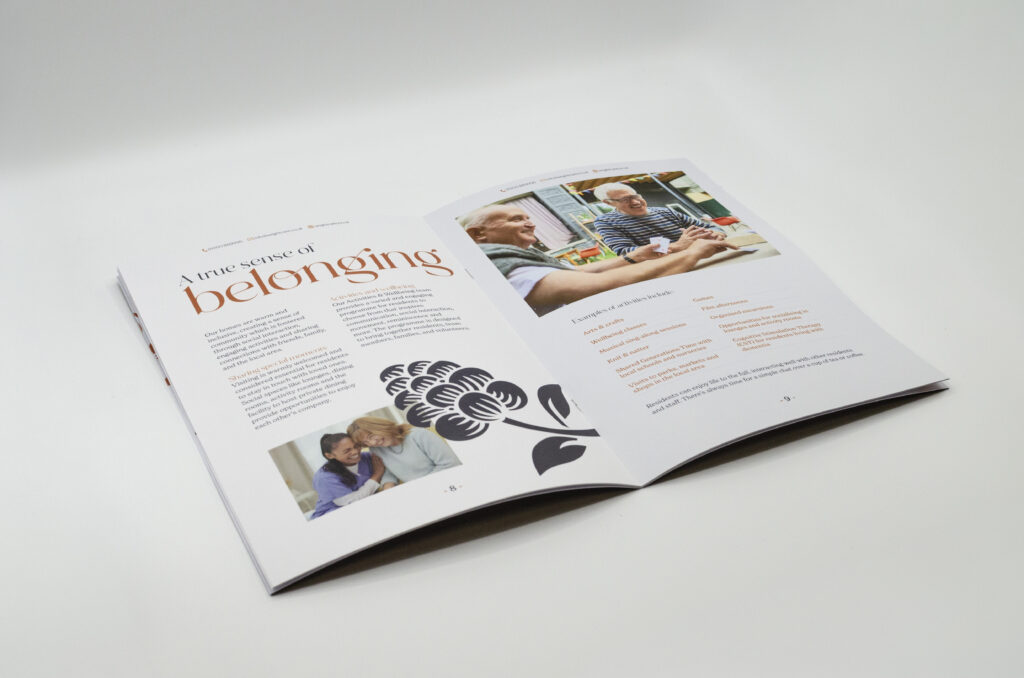
Whether it’s a website, leaflet, or social graphic, overcrowded designs can overwhelm your audience. White space helps guide the eye, improves readability, and makes information easier to absorb. Creating breathing space within your layouts allows the important elements to stand out.
Adding more space doesn’t always mean using less content, it can be presenting information in a more effective way. When layouts feel balanced and uncluttered, audiences are more likely to engage with what they’re seeing. Good spacing creates a smoother experience and helps ensure important messages aren’t lost in visual noise.
Sometimes, the changes that create the biggest impact aren’t the most obvious ones. Good designers don’t just ask, “Does this look good?” They consider how a design will perform across different platforms, how long it will remain effective, and whether it has strong foundations to support future growth. Great design is built on consistency and a balance of creativity and functionality, creating work that not only looks good but works hard for the business behind it.